
See, Types of Dating Apps Today in this article.
Dating today isn’t just about meeting someone at the local coffee shop or getting set up by friends. It’s now something many people do with a simple swipe or tap on their phones. If you’re thinking about joining a dating app or just want to understand what’s out there, it helps to know the types of dating apps available today.
Not all dating apps are the same. Some focus on casual chats. Others are built for serious relationships. Some connect people based on looks, while others match people based on deep values. With so many choices, it can feel a bit overwhelming. But don’t worry, this guide breaks it all down in simple terms.
Table of Contents
Toggle1. Swipe-Based Apps: Love at First Swipe
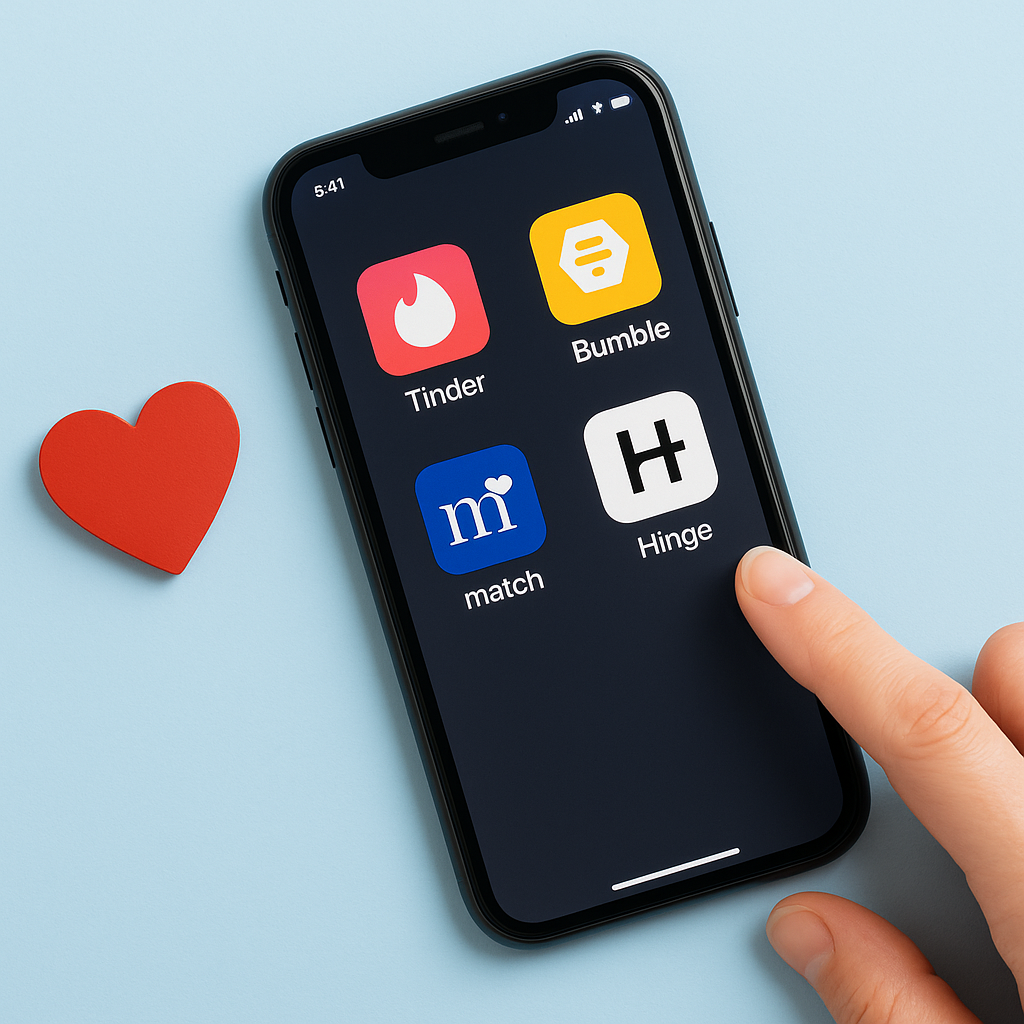
Swipe-based dating apps are probably the most well-known. You see someone’s photo, maybe a short bio, and then you swipe right if you’re interested or swipe left if you’re not. It’s fast, fun, and easy.
Popular apps in this category:
What makes them unique?
These apps are mostly based on first impressions. You see a face and make a quick decision. For many users, it’s a fun way to meet new people without too much pressure.
Great for:
- Casual dating
- Quick matches
- Those who enjoy visuals
Be careful:
People may not always be looking for something serious on these platforms. Also, it’s easy to judge someone too quickly.
2. Serious Relationship Apps: Built for Commitment
Some dating apps are designed to help you find a long-term partner. These platforms usually ask a lot of questions up front. Why? Because they want to match you with someone truly compatible.
Popular apps in this category:
- eHarmony
- Match.com
- Coffee Meets Bagel
- Hinge (also fits here due to its deeper prompts)
What makes them unique?
They take your values, habits, and goals seriously. They don’t just look at your face. They want to know what kind of life you want and who would fit into it.
Great for:
- People looking to settle down
- Serious daters
- Those tired of endless swiping
Be careful:
They can take more time to set up, and sometimes the user base is smaller, especially in smaller towns.
3. Niche Dating Apps: Love in Your Lane
These are apps built for specific groups or interests. Think of them like small clubs where everyone has something in common, religion, hobbies, profession, or identity.
Popular examples:
- Christian Mingle (faith-based)
- JSwipe (Jewish singles)
- BLK (Black singles)
- HER (LGBTQ+ women and nonbinary folks)
- FarmersOnly (yes, even farmers have their own app!)
- Elite Singles (for high-earning professionals)
What makes them unique?
They help you skip some of the noise. You already know the people there share something important with you.
Great for:
- People with strong values or lifestyles
- Those who feel lost on big apps
- Anyone who wants to feel seen and understood
Be careful:
Some of these apps may have fewer users depending on where you live. Also, these might attract weirdos.
4. Hookup and Casual Apps: Fun Without the Strings
Not everyone is looking for a soulmate right now. Some people just want to meet others for fun, casual hangouts, or something short-term. These apps are upfront about it.
Popular examples:
- Tinder (yes, again — depends how it’s used)
- Pure
- Feeld
- Adult Friend Finder
What makes them unique?
They make no promises of love. You meet people for now, not forever. There’s less pressure and more freedom.
Great for:
- Open-minded folks
- Exploring your desires
- Meeting new people fast
Be careful:
If you’re hoping for something serious, these apps may leave you disappointed or feeling unfulfilled.
5. Personality-Based Apps: More Than Just Looks
Some apps don’t want you to just swipe based on appearance. They push you to think and talk. You might answer fun questions, write mini-stories, or even play games with matches.
Popular examples:
What makes them unique?
They want you to show your personality, not just your smile. Matching is based on interests, beliefs, and humor.
Great for:
- People who love personality over photos
- Creative minds
- Deep thinkers
Be careful:
You’ll need to invest a bit more time in your profile and conversations.
6. Video-Based Apps: Face-to-Face Before the Date
In this digital world, some dating apps now include video right from the start. This means you might meet your match through a short video or live chat before even exchanging texts.
Popular examples:
- Clover
- Lolly
- Filter Off
- Bumble (video chat feature)
What makes them unique?
They bring the real vibe early. No more wondering what someone looks or sounds like in real life.
Great for:
- Reducing catfishing
- Building comfort before meeting
- People who prefer voice and face over text
Be careful:
Not everyone is comfortable on camera, and some people may act differently online.
7. Slow Dating Apps: Taking It One Step at a Time
These apps slow things down. Instead of 20 matches a day, you may only get one or two. The idea is to focus on real, meaningful conversations.
Popular examples:
- Once
- Coffee Meets Bagel
- Hinge (depending on use)
What makes them unique?
They cut the noise. You’re not swiping all day. You’re focusing on one person at a time.
Great for:
- Mindful dating
- People with busy schedules
- Avoiding burnout
Be careful:
It may feel slow at first, especially if you’re used to fast-paced apps.
8. Friendship-First Apps: Love Grows Slowly
Some apps focus on building friendships or communities first. Romance may come later, but the goal is real connections, romantic or not.
Popular examples:
- Bumble BFF
- Friender
What makes them unique?
They help you build social circles and meet new people without dating pressure.
Great for:
- Moving to a new city
- Building social confidence
- Finding like-minded folks
Be careful:
Don’t expect a date right away. These apps are more about connection than passion.
9. Dating Apps with Background Checks: Safety First
A few new apps now offer features like identity checks, video verification, or even background checks. These are aimed at people who want to feel safer while dating.
Popular examples:
- Bumble (photo and identity verification)
- Stir (for single parents, focuses on real profiles)
- Match Group (testing background checks in some apps)
What makes them unique?
They’re built around trust and real profiles. Some even let you report bad behavior easily.
Great for:
- Nervous first-timers
- Parents
- Women and vulnerable users
Be careful:
These apps may feel a little stricter or slower. But the trade-off is often worth it.
10. Hybrid Dating Apps: A Mix of Everything
Many apps now combine several features. You may find swipes, games, deep questions, video chats, and more — all in one place.
Popular examples:
- Hinge (again!)
- Bumble (dating, friends, networking)
- Facebook Dating
- Taimi (LGBTQ+ focused but very broad features)
What makes them unique?
They adapt to different needs. Whether you want something casual or serious, or just want to meet people — these apps give options.
Great for:
- People who want it all
- Those still figuring things out
- People who hate switching apps
Be careful:
Because they try to do everything, some parts of the app may not be as strong as others.
Final Thoughts: Pick What Fits You
There’s no one “best” dating app. The best app is the one that fits you, your goals, your comfort zone, your personality.
Ask yourself:
- Am I looking for love, fun, or friends?
- Do I prefer deep chats or fast flings?
- How much time do I want to spend on the app each day?
- What matters more: looks, values, or shared interests?
Once you know the answers, the right app becomes clearer.
And remember, dating apps are tools, not magic spells. The app helps you meet, but the connection comes from real conversation, honesty, and respect.
So take your time. Read reviews. Test a few. And most of all, enjoy the journey.
Related articles,
Mistakes People Make When Choosing a Dating App: Avoid These Traps
10 Best Ways to Use Social Media for Meeting Potential Partners.