
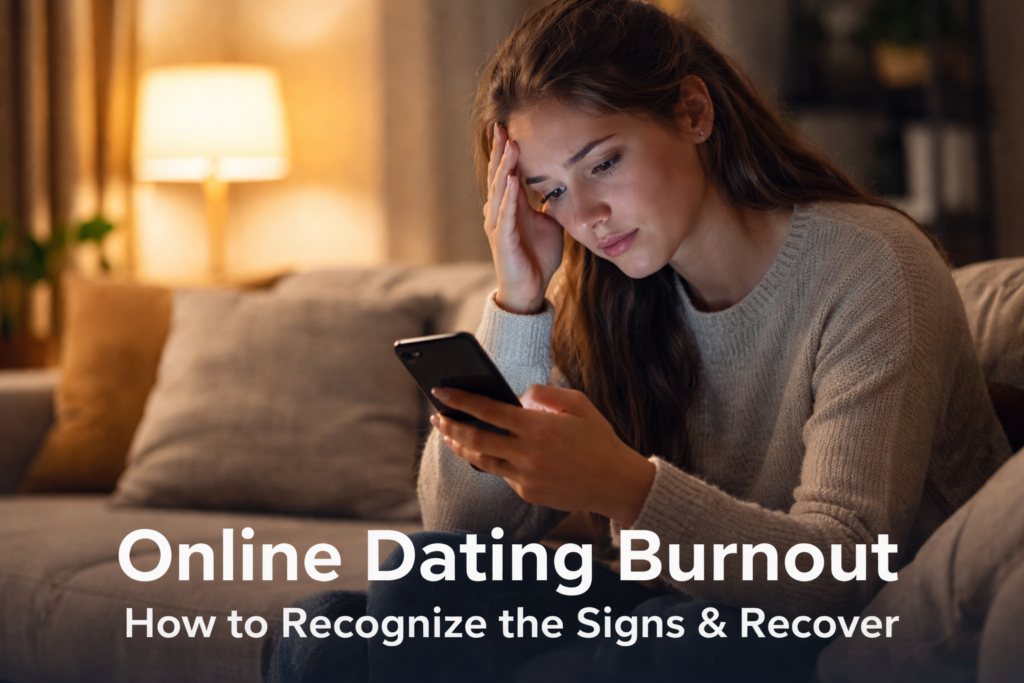
Online dating can be exciting, empowering, and full of possibilities, but it can also be mentally and emotionally draining.
Endless swiping, messaging, and navigating digital romance often leads to a phenomenon researchers are beginning to take seriously: online dating burnout.
According to a 2024 study published in New Media & Society, prolonged use of dating apps is associated with increased emotional exhaustion and disengagement among users. Individuals already facing stressors like loneliness and anxiety may experience this dating app burnout more intensely over time. For more details, visit SAGE Journals.
At the same time, surveys suggest that a huge share of people report feeling worn out by dating apps. With most users saying they feel emotionally, mentally, or physically exhausted by the process of connecting, matching, and messaging.
Because burnout can quietly sap your energy and reshape how you approach relationships, it’s important to understand the signs, recognize when you need a pause, and adopt intentional strategies for recovery.
In this article, we’ll walk through the key symptoms of online dating burnout, the science behind why it happens, and practical steps you can take to stay open to meaningful connections without losing your well‑being.
Table of Contents
ToggleWhat Is Online Dating Burnout?
Online dating burnout happens when the process of swiping, chatting, and matching starts to feel overwhelming or emotionally exhausting.
Unlike traditional dating, online platforms create a high-pressure environment with unlimited options, constant notifications, and social expectations.
Common signs of burnout include:
-
Emotional fatigue and frustration
-
Cynicism toward matches or the dating process
-
Reduced motivation to engage
-
Anxiety about messaging or meeting new people
-
Irritation or impatience with matches
Pro Tip: Feeling burned out doesn’t mean you’re bad at dating. It means the system has temporarily overwhelmed your mental and emotional capacity.
Why Online Dating Leads to Burnout
1. Endless Options and Choice Overload
Dating apps present millions of potential matches, creating the illusion that someone “better” is always just a swipe away. This constant comparison can leave users feeling indecisive and emotionally drained.
Pro Tip: Focus on quality over quantity. Limit your swiping to profiles that genuinely interest you rather than endlessly scrolling.
2. Ghosting and Inconsistent Communication
Repeated ghosting or inconsistent messaging can trigger feelings of rejection and anxiety.
Pro Tip: Treat early conversations as exploratory, not emotionally binding. Only invest when trust and compatibility are clear.
3. Pressure to Present a Perfect Image
Maintaining curated profiles and polished photos can be stressful. Trying to appear “perfect” reduces authenticity and contributes to burnout.
Pro Tip: Be genuine. Your ideal match will appreciate honesty over pretense.
4. Emotional Rollercoaster
Matches, likes, and messages create highs and lows. Constant emotional swings can leave you drained.
Pro Tip: Maintain offline hobbies and friendships to balance these ups and downs.
5. Overexposure to Rejection
Online dating often amplifies rejection. Unlike face-to-face dating, the impersonal nature of the apps can feel harsher.
Pro Tip: Reframe rejection as redirection. Every mismatch clarifies what you truly want.
Signs You Need a Break
Recognizing burnout early can prevent longer-term emotional fatigue. Warning signs include:
-
Dating apps feel like a chore rather than fun
-
Emotional exhaustion after messaging or swiping
-
Increased cynicism or frustration toward matches
-
Reduced self-esteem due to negative experiences
-
Avoidance of the app altogether
Pro Tip: Monitor your emotional responses. If negative feelings outweigh positive ones, it’s time for a pause.
More Articles from Us
- How AI Is Changing the Game in Online Dating in 2025
- AI in Online Dating
- How Dating Apps Can Win Back Their Spark in 2026
How to Take a Healthy Break
1. Log Out or Delete the App Temporarily
A complete pause removes notifications and social pressures.
Pro Tip: Set a specific timeframe for your break, such as two weeks, and focus on offline life.
2. Reconnect With Offline Life
Invest in hobbies, friendships, and personal growth. Exercise, travel, or creative projects can restore perspective.
Pro Tip: Schedule offline activities to reduce the temptation to check apps.
3. Reflect on Your Experiences
Analyze patterns in your dating activity. What energizes or drains you?
Pro Tip: Keep a journal to track lessons and insights for mindful future engagement.
4. Adjust Your Boundaries
Burnout often happens when emotional limits are unclear.
Pro Tip: Set boundaries for daily swipes, messaging time, and personal disclosures.
5. Reset Your Mindset
Return to dating with curiosity, not pressure, focusing on connections instead of instant results.
Pro Tip: Treat online dating as an exploration, not a test of worthiness.
Strategies to Prevent Future Burnout
-
Pace Your Engagement: Limit simultaneous conversations or matches.
-
Prioritize Meaningful Connections: Focus on quality, not validation.
-
Maintain Offline Balance: Keep hobbies, friendships, and routines independent of dating apps.
-
Set Emotional Boundaries: Avoid oversharing too soon.
-
Take Micro-Breaks: Short, regular pauses prevent emotional exhaustion.
Pro Tip: Use calendar reminders to schedule app-free times and break compulsive checking habits.
When to Seek Support
If burnout overlaps with persistent anxiety, low mood, or social withdrawal, consider speaking to a therapist. Professional support can guide you in maintaining boundaries, emotional health, and a balanced approach to online dating.
Final Thoughts
Online dating burnout is common but manageable. Recognizing early signs, stepping back, and implementing protective strategies allows you to enjoy online dating without sacrificing mental or emotional well-being.
Remember: burnout is not failure, it’s a signal to rest, reflect, and recalibrate. Listen to your mind and body, and return to dating with energy, clarity, and renewed confidence.
FAQ’s: Online Dating Burnout
1. What is online dating burnout?
Online dating burnout occurs when the constant swiping, messaging, and matching on dating apps becomes emotionally exhausting and mentally draining. It can reduce motivation and make dating feel like a chore rather than an enjoyable experience.
2. What causes dating app burnout?
Common causes include choice overload, repeated rejection, inconsistent communication, pressure to present a perfect image, and emotional highs and lows from app interactions.
3. What are the signs of online dating burnout?
Signs include emotional fatigue, cynicism toward matches, reduced motivation to engage, anxiety about messaging, irritation, and avoidance of dating apps.
4. How long does dating app burnout last?
Duration varies by individual. Some people recover after a short break of a few days, while others may need several weeks to reset and regain energy for online dating.
5. Can I prevent online dating burnout?
Yes. Strategies include pacing your engagement, prioritizing meaningful connections, maintaining offline hobbies, setting emotional boundaries, and taking micro-breaks from the apps.
6. Should I take a complete break from dating apps?
If you notice persistent stress or emotional fatigue, a temporary break, ranging from a few days to a few weeks, can help you reset and regain perspective.
7. Does online dating burnout affect mental health?
Yes. Prolonged burnout can contribute to anxiety, lowered self-esteem, and emotional exhaustion, especially for users already experiencing stress or loneliness.
8. Are some people more prone to dating app burnout than others?
Yes. Research shows that individuals with higher levels of anxiety, loneliness, or depression are more vulnerable to burnout from online dating.
9. How can I re-engage with dating apps after a break?
Return gradually, focus on quality over quantity, set boundaries, and treat interactions as exploratory rather than emotionally binding. Reconnect with your own offline life to maintain balance.
10. When should I seek professional help?
If burnout overlaps with persistent anxiety, low mood, social withdrawal, or affects your daily functioning, consider speaking to a therapist for guidance on maintaining emotional health and healthy dating boundaries.